





Yeast Bread
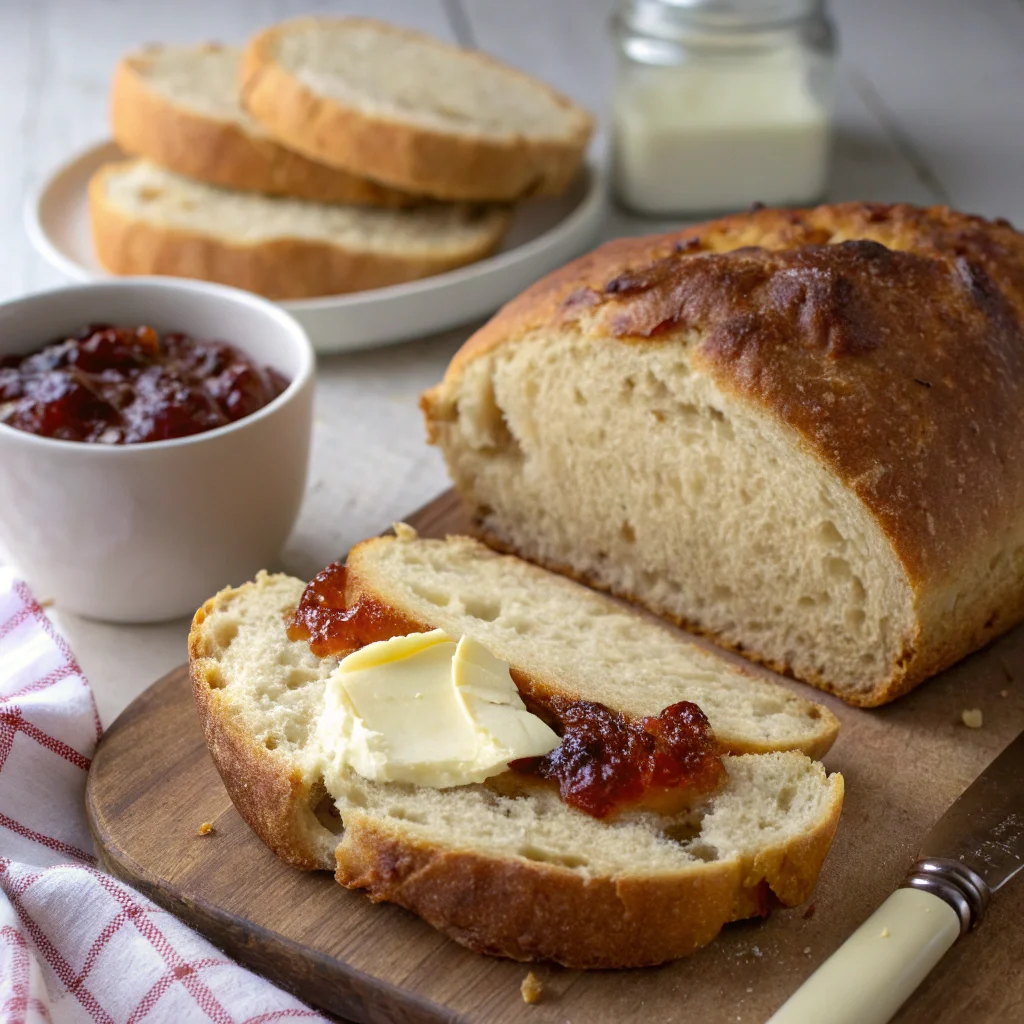
Ingredients
- 1/4 cup water, lukewarm
- 1/2 package granular yeast or 1/2 cake compressed yeast
- 1 cup very warm to hot liquid (milk or water)
- 1 tbsp to 1 1/2 tbsp sugar
- 1 tsp salt
- 1 tbsp shortening
- 3 cups or more all purpose flour
Step-by-Step Instructions
- In a small glass cup, soften the yeast in the 1/4 cup of lukewarm water (about 110°F). In a separate bowl, combine the sugar, salt and shortening.
- Pour the warm liquid over the mixture. Add the yeast and flour to make a stiff batter and beat well.
- Add additional flour to make a soft dough. Turn out and knead until the dough does not stick to the board, about 8-10 minutes. The dough will be light and elastic.
- Place in a warm lightly greased bowl and cover - saran wrap works well; temperature should be around 75 to 80 degrees. Let rise until doubled in size, about 1 to 1.5 hours.
- When the dough has doubled in size, punch it down, shape it into a ball again. At this point, you can make rolls or a loaf. Place in a well-oiled pan and let rise in a warm place until double in size, about 45 minutes to 1 hour.
- Preheat oven to 425 degrees and bake 40 to 50 minutes, until golden brown. Bring out the cane syrup and cold glass of milk!
- Make Nut Bread with this recipe by adding 1/4 cup each of raisins and chopped nuts and 1/8 teaspoon cinnamon when preparing the dough.
Common Problems and Solutions
Q: Why didn't my dough rise?
A: Check your yeast freshness - old yeast won't activate. Also ensure your liquid is warm (110°F), not hot which kills yeast, and that your rising location is warm enough (75-80°F). If your kitchen is cold, try placing the bowl in an oven with just the light on.
Q: How do I know when I've kneaded enough?
A: The dough should be smooth and elastic after 8-10 minutes of kneading. Test it with the windowpane method: stretch a small piece between your fingers - if it forms a thin, translucent membrane without tearing, it's ready.
Q: My bread is dense instead of light. What happened?
A: This usually means the dough didn't rise enough. Make sure to let it double in size during both rises. Also, adding too much flour during kneading can make bread heavy - add just enough so dough doesn't stick.
Tips and Techniques
The ‘very warm to hot’ liquid should be about 110-115°F - warm enough to activate the yeast but not so hot it kills it. If you don’t have a thermometer, test on your wrist; it should feel warm but not uncomfortably hot. For a softer crust, brush the top of the hot loaf with butter right when it comes out of the oven.
Ingredient Substitutions
- milk: water
- shortening: butter or lard
- all purpose flour: bread flour
Equipment Needed
- Large mixing bowl
- Small glass cup for proofing yeast
- Loaf pan or baking sheet
- Clean kitchen towel or plastic wrap for covering
- Wooden board or clean counter for kneading
Historical Context
Homemade yeast bread was a staple in large Cajun farm families where store-bought bread was a luxury. Mom’s timing the bread to be fresh and warm for mid-afternoon field breaks was a act of love - that timing took planning since the dough needs 2+ hours to rise before baking.