





Steamed or Boiled Okra
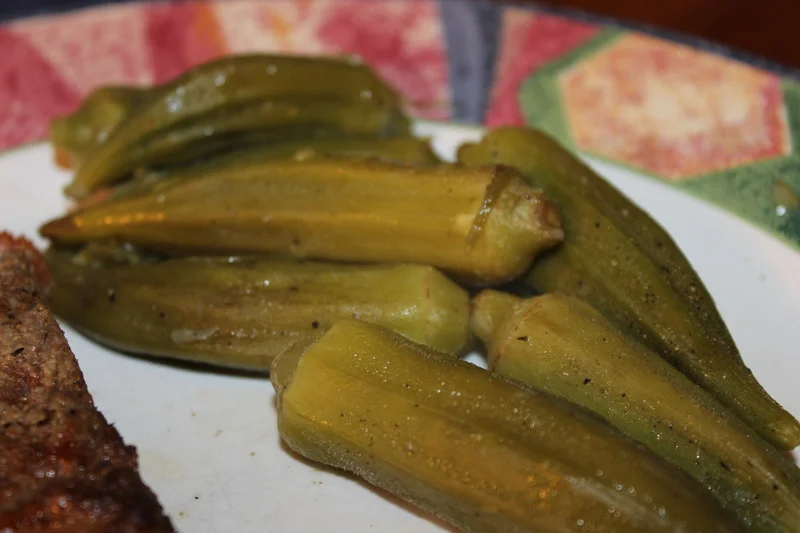
Ingredients
- 1 lb okra
- Salt and black pepper to taste
- Vinegar to taste (or 1/4 cup for boiled okra)
Step-by-Step Instructions
- To steam okra: In a double boiler, heat water to boiling. Place the whole okra in the top of the double boiler. Cover and let steam for 10 minutes. Remove and serve. Sprinkle vinegar on the okra along with salt and black pepper to taste.
- To boil okra: In a medium saucepan, bring water to a boil and pour 1/4 cup vinegar in the water. Add the okra and boil for 8 to 10 minutes until okra is tender. Drain water. Add salt and black pepper to taste.
Common Problems and Solutions
Q: Why is my okra slimy?
A: Okra naturally releases a mucilaginous substance when cooked. Steaming helps reduce this, and adding vinegar to the cooking water (especially when boiling) helps cut the slime. Keeping the okra whole rather than cutting it also minimizes sliminess.
Q: Can I use frozen okra?
A: Yes, but frozen okra may need slightly less cooking time. Don't thaw it first—add it frozen directly to the boiling water or steamer and reduce cooking time by 2-3 minutes.
Tips and Techniques
For the least slimy okra, choose the steaming method and keep the pods whole. The vinegar not only cuts slime but adds a pleasant tangy flavor that complements the okra’s mild taste.
Ingredient Substitutions
- white vinegar: apple cider vinegar or lemon juice
Equipment Needed
- double boiler (for steaming method)
- medium saucepan (for boiling method)
Historical Context
Okra came to Louisiana through West African foodways during the colonial period and became deeply integrated into Cajun and Creole cooking. It’s essential for gumbo (which gets its name from an African word for okra) and was a reliable crop for rural families.