





Shrimp Remoulade Sauce
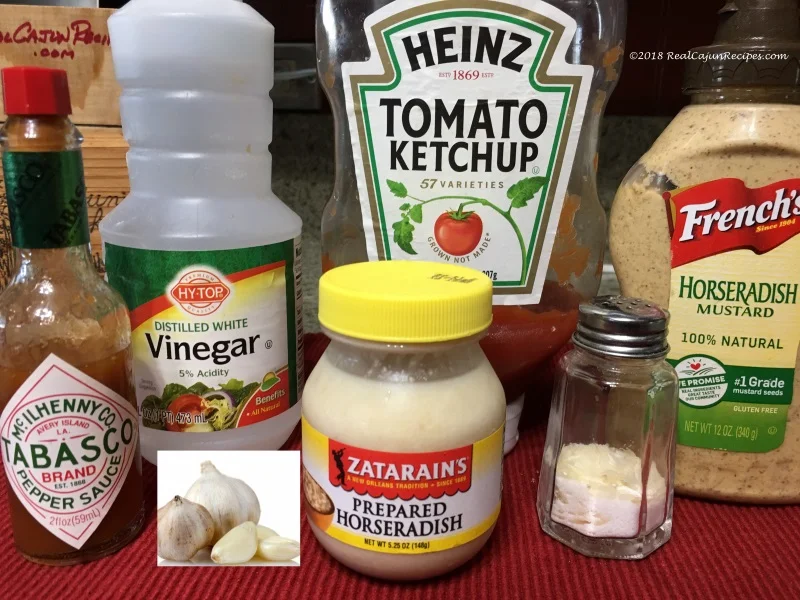
Ingredients
- 10 fluid ounces olive oil (1 1/4 cups)
- 5 fluid ounces vinegar (about 2/3 cup)
- 1 (7 1/2 oz) jar Dijon or Creole Mustard
- 5 tbsp ketchup
- 5 tbsp fresh horseradish
- 5 cloves garlic, minced fine
- 1 tsp Tabasco Sauce
- Salt to taste
Step-by-Step Instructions
- Blend all the ingredients together in a bowl or blend with an immersion blender until well combined.
- Cover and chill in the refrigerator for at least 2 hours to let the flavors meld together. The sauce can be made up to 3 days ahead.
- Serve over boiled shrimp or boiled crawfish, or use as a dip for crab claws.
Common Problems and Solutions
Q: Can I make this ahead of time?
A: Yes! This sauce actually benefits from sitting in the refrigerator for at least 2 hours, and it will keep covered for up to 3 days. The flavors meld and develop beautifully over time.
Q: Why is my remoulade too spicy or too mild?
A: Adjust the Tabasco and horseradish to your taste. Start with less and add more gradually. The heat level can vary with different brands of horseradish and mustard, so taste and adjust before serving.
Tips and Techniques
Use fresh horseradish if you can find it for the brightest, most pungent flavor. If your remoulade seems too thick, thin it with a tablespoon or two of the vinegar. For a smoother sauce, use an immersion blender instead of whisking by hand.
Ingredient Substitutions
- Creole mustard: Dijon mustard with 1/2 tsp added cayenne pepper
- fresh horseradish: prepared horseradish from a jar
- olive oil: vegetable oil or avocado oil
Equipment Needed
- Mixing bowl
- Whisk or immersion blender
- Measuring cups and spoons
Historical Context
Remoulade sauce came to Louisiana through French influence but was transformed into something uniquely local with the addition of spicy ingredients. It became a staple at New Orleans seafood restaurants and backyard boils throughout South Louisiana.