





Old Fashioned Custard Ice Cream
Ingredients
- 6 eggs
- 2 to 3 cups sugar (use 2 cups for less sweet, 3 cups for traditional sweetness)
- 4 cans (12 oz each) Carnation or Pet Evaporated Milk
- 1/4 teaspoon salt
- 1 teaspoon vanilla
- 1 tablespoon flour
Step-by-Step Instructions
- Combine sugar, flour and salt in a heavy-bottomed saucepan.
- Gradually stir in the milk and vanilla and cook over medium heat approximately 15 minutes or until thickened, stirring constantly to prevent scorching.
- Temper the eggs by whisking about one cup of hot milk mixture into the beaten eggs. It’s important to whisk constantly and vigorously as the hot ingredient is gradually added to prevent the eggs from scrambling.
- Add the egg mixture to the remaining hot mixture stirring constantly and cook one to two minutes until the custard reaches 170-175°F and coats the back of a spoon.
- Remove from heat and cool the mixture to room temperature, then place the cooked custard in refrigerator to chill approximately two hours or until completely cold.
- Also place ice cream maker cylinder in refrigerator to chill before churning.
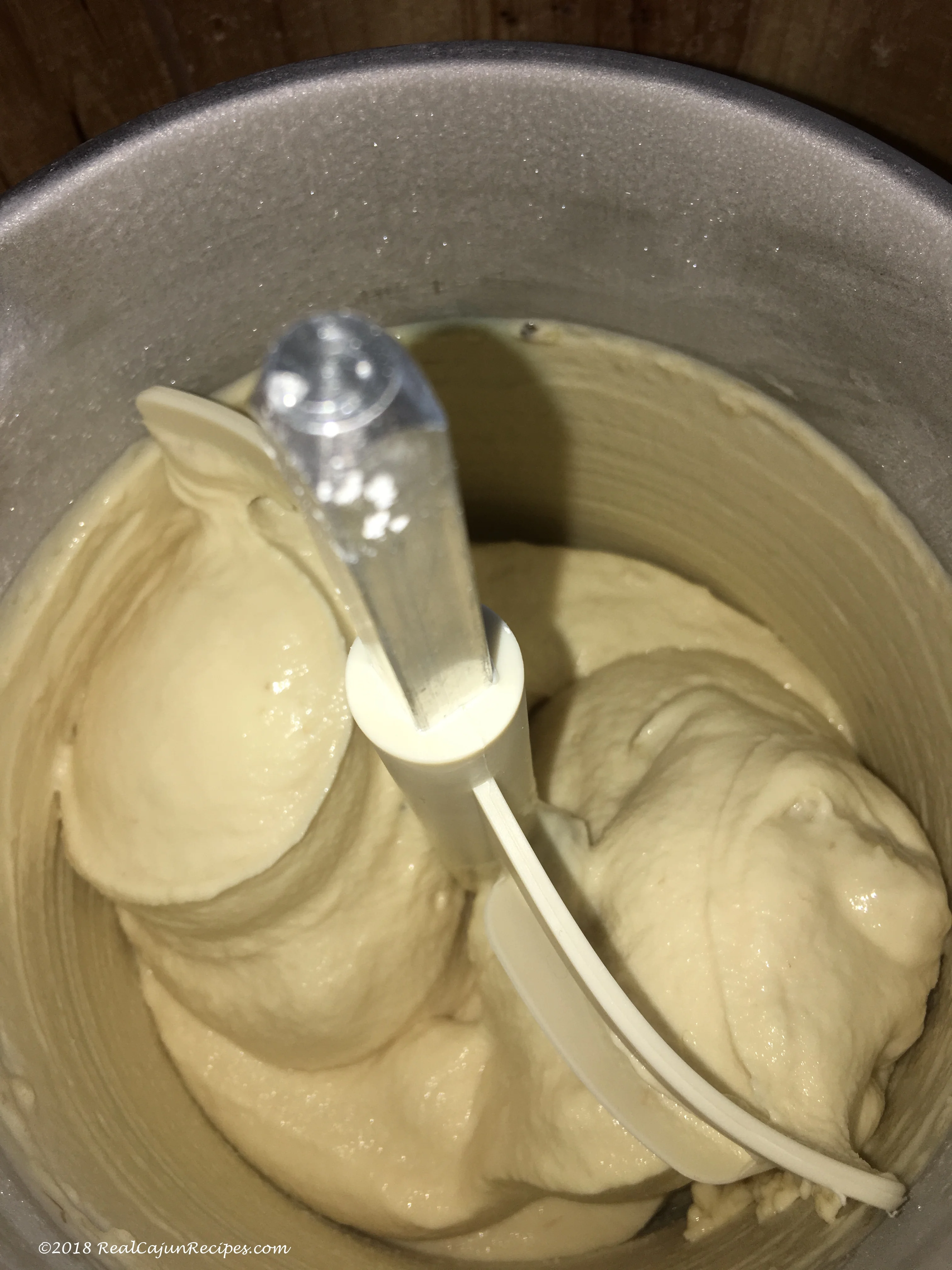
- Place the chilled mixture in the ice cream maker and follow manufacturer’s instructions. To freeze the ice cream, use 8 parts ice and 1 part salt. Finely crushed ice melts faster and hastens the freezing, so it is best to crush the larger pieces. Churn until mixture reaches soft-serve consistency, about 20-30 minutes.
- Transfer to a freezer-safe container and freeze for at least 2 hours for a firmer texture, or serve immediately as soft serve.
Common Problems and Solutions
Q: Why did my custard curdle or get lumpy?
A: The eggs scrambled because they were added too quickly to the hot mixture. Always temper eggs by gradually whisking hot liquid into them first, then add the warmed egg mixture back to the pan. Keep the heat at medium and stir constantly.
Q: Why isn't my ice cream freezing in the machine?
A: Make sure your custard base is completely chilled (ideally overnight) before churning, and that your ice cream maker cylinder has been frozen for at least 24 hours. Also check your ice-to-salt ratio—you need 8 parts ice to 1 part salt for proper freezing.
Q: How do I know when the custard is thick enough?
A: The custard should reach 170-175°F and coat the back of a spoon. When you draw your finger across the spoon, it should leave a clear line. Don't let it boil or the eggs will scramble.
Tips and Techniques
Chill your custard base overnight for the best texture and fastest churning time. The colder the base, the smoother your final ice cream will be. You can also chill the ice cream maker’s container in the freezer for several hours before use for optimal results.
Ingredient Substitutions
- evaporated milk: whole milk or half-and-half
- 2 to 3 cups sugar: 2 cups sugar plus 1/4 cup honey or corn syrup
Equipment Needed
- ice cream maker (hand-crank or electric)
- heavy-bottomed saucepan
- whisk
- instant-read thermometer (optional but helpful)
- ice and rock salt
- freezer-safe container
Historical Context
Custard-based ice cream has been a Southern tradition since ice became readily available in the late 1800s. Hand-cranked ice cream makers were common at church socials, Fourth of July celebrations, and family gatherings throughout Louisiana, where making ice cream was often a community activity with children taking turns at the crank.