





Mystery Pie
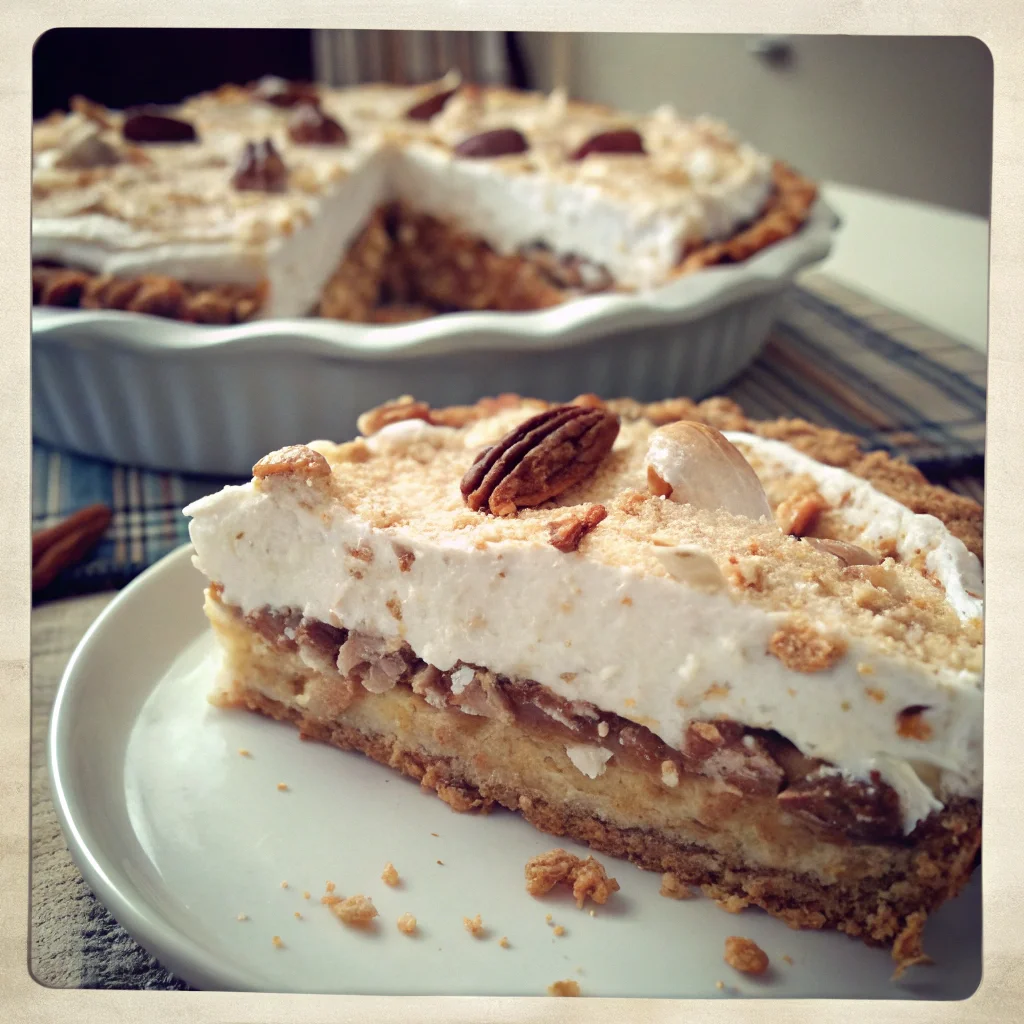
Ingredients
- 3 egg whites
- 1 cup sugar
- 1 cup graham cracker crumbs
- 1 cup chopped pecans
- 1/2 tsp salt
- 1 tsp baking powder
- 1 tsp vanilla
Step-by-Step Instructions
- Preheat oven to 300 degrees. Beat egg whites until frothy. Add the sugar and beat by hand until stiff. Mix the above with one cup graham cracker crumbs and chopped pecans, salt, baking powder and vanilla.
- Bake in greased pie plate at 300 degrees for about 20 minutes.
Common Problems and Solutions
Q: Why didn't my meringue get stiff?
A: Make sure your bowl and beaters are completely clean and grease-free. Even a tiny bit of egg yolk or oil will prevent egg whites from whipping properly. Beat until stiff peaks form - the meringue should stand up straight when you lift the beaters.
Q: Can I bake this at a higher temperature to save time?
A: No, the low 300-degree temperature is important. Higher heat will cause the meringue to brown too quickly on the outside while staying gooey inside. The slow bake creates that perfect crispy texture throughout.
Tips and Techniques
For best results, use room temperature egg whites - they whip up much better than cold ones. Don’t overbeat the meringue after adding the sugar or it can become grainy. Serve this pie with whipped cream or ice cream for extra indulgence.
Ingredient Substitutions
- graham cracker crumbs: vanilla wafer crumbs or crushed gingersnaps
- pecans: walnuts or almonds
Equipment Needed
- Electric mixer or hand mixer
- Greased pie plate
- Mixing bowls
Historical Context
Meringue-based pies became popular across the South in the early 20th century as a way to use up egg whites left over from recipes that called for only yolks. This version combines the French meringue technique with Southern pecans for a uniquely regional dessert.