





Gumbo Making 101
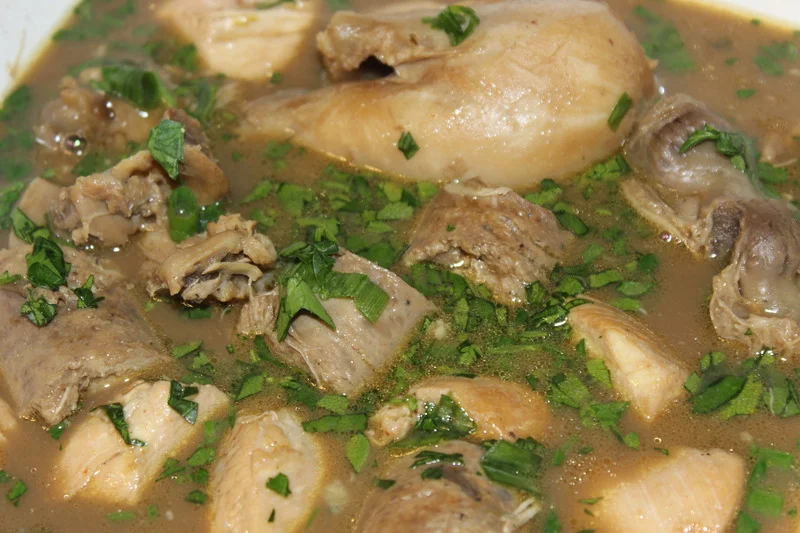
Ingredients
- 3/4 cup vegetable oil (canola)
- 1 cup flour
- 1 cup chopped onions
- 1 cup chopped celery
- 1 cup chopped bell pepper
- 3 cloves garlic, diced
- 3 quarts water or chicken stock made with Wylers Chicken Granules (optional) or chicken base seasoning
- 1/2 cup chopped green onions (scallions)
- 1/2 cup chopped parsley
- Salt, black pepper, & cayenne to taste
- Meat of your choice (see below)
Step-by-Step Instructions
- Chicken Gumbo: Cut up a whole fryer into serving pieces or use chicken breast, duck, wild game, sausage or shrimp. The meats can all be used in combination, one with the other or individually.
- Prepare three quarts chicken stock using water and Wyler’s brand chicken granules or bouillon cubes or your own stock.
- Roux á la Microwave - the easiest way to make it: Combine thoroughly the oil and flour in a microwavable cup. Start your microwave for 3 minutes. Take out and stir. Every time you take out be sure to stir completely. Then microwave 1 minute, take out and stir. Do this about 3 times. Do not combine the steps and cook 6 minutes at one time as the roux has to be stirred frequently. Then go down to 30 second intervals and stir after each 30 seconds. Do the 30 seconds until the roux is the color of a copper penny or dark golden brown. This may take a while. Or see our website for stove top roux making.
- Do not scorch. Should black specks appear, discard and begin again. Add the chopped onions, celery, bell pepper and garlic to the roux and cook approximately three to five minutes or until vegetables are wilted. I add gradual amounts of the vegetables to make the cooking process easier. After adding the vegetables, I cook about 45 seconds to 1 minute in the microwave. Really smells good now. Be careful though; go slow so it won’t burn and the roux mixture is very, very hot.
- Bring the chicken stock to a boil. Add the roux mixture with vegetables gradually. Stir until roux is completely dissolved in water. Cook on low to medium heat about an hour. The longer you cook a gumbo the better it is.
- Add chicken either raw or partially cooked in the microwave. If adding fresh or smoked sausage, add now. Cook another 45 minutes to an hour or until chicken is cooked thoroughly and reaches 165°F. You may have to add more water depending on whether you like thick or thin gumbo. I prefer my gumbo just a little thicker than soup but not as thick as stew and use a soup pot to determine how much water I work with.
- Blend in the green onions and parsley in the last ten minutes of cooking. Season to taste using salt, black pepper, and cayenne. Serve over cooked rice. French bread, sweet potato and vinegar cabbage goes great with gumbo. If adding shrimp or oyster, add them in the last ten minutes of cooking. Gumbo reheated the next day is usually better than the first. All gumbo can also be frozen. If oil or chicken fat rises to the top of the gumbo, spoon this off to save calories. There is not any flavor lost if this is done.
Common Problems and Solutions
Q: Why is my roux burning or developing black specks?
A: The heat is too high or you're not stirring frequently enough. For microwave method, never skip the stirring steps or try to cook longer than recommended intervals. If black specks appear, you must discard and start over - there's no saving a burned roux.
Q: How do I know when my roux is the right color?
A: Look for the color of a copper penny or dark golden brown. This takes patience - don't rush it. The roux will continue to darken slightly even after you add the vegetables, so some cooks stop just before reaching the target color.
Q: My gumbo is too thick (or too thin). What do I do?
A: Gumbo thickness is personal preference. Add more water or stock to thin it out, or simmer uncovered longer to thicken. As the recipe says, aim for 'just a little thicker than soup but not as thick as stew.'
Q: When do I add different types of meat and seafood?
A: Add chicken and sausage early so they can cook the full 45 minutes to an hour. Add delicate seafood like shrimp and oysters in the last 10 minutes only - they cook quickly and will get tough if overcooked.
Tips and Techniques
Make your roux ahead of time and refrigerate it - you can make a big batch and use it for multiple gumbos. Also, don’t skip skimming the fat off the top if you’re watching calories; the flavor stays in the gumbo, not in that layer of oil.
Ingredient Substitutions
- vegetable oil (canola): bacon grease, duck fat, or other oil with high smoke point
- whole fryer chicken: chicken thighs or breasts, duck, turkey, or wild game
- Wylers Chicken Granules: any chicken bouillon, chicken base, or homemade stock
- fresh sausage: andouille, smoked sausage, kielbasa, or tasso
Equipment Needed
- Large microwaveable container (for microwave roux method)
- Heavy-bottomed soup pot or Dutch oven (for stovetop)
- Long-handled spoon for stirring
- Ladle for serving
Historical Context
Gumbo is one of the quintessential dishes of Louisiana, with roots in West African, French, Spanish, and Native American cooking. The word ‘gumbo’ likely comes from the West African word for okra. This recipe represents the Cajun style with a dark roux base, as opposed to Creole gumbo which often includes tomatoes and okra.