





Fig Cake III
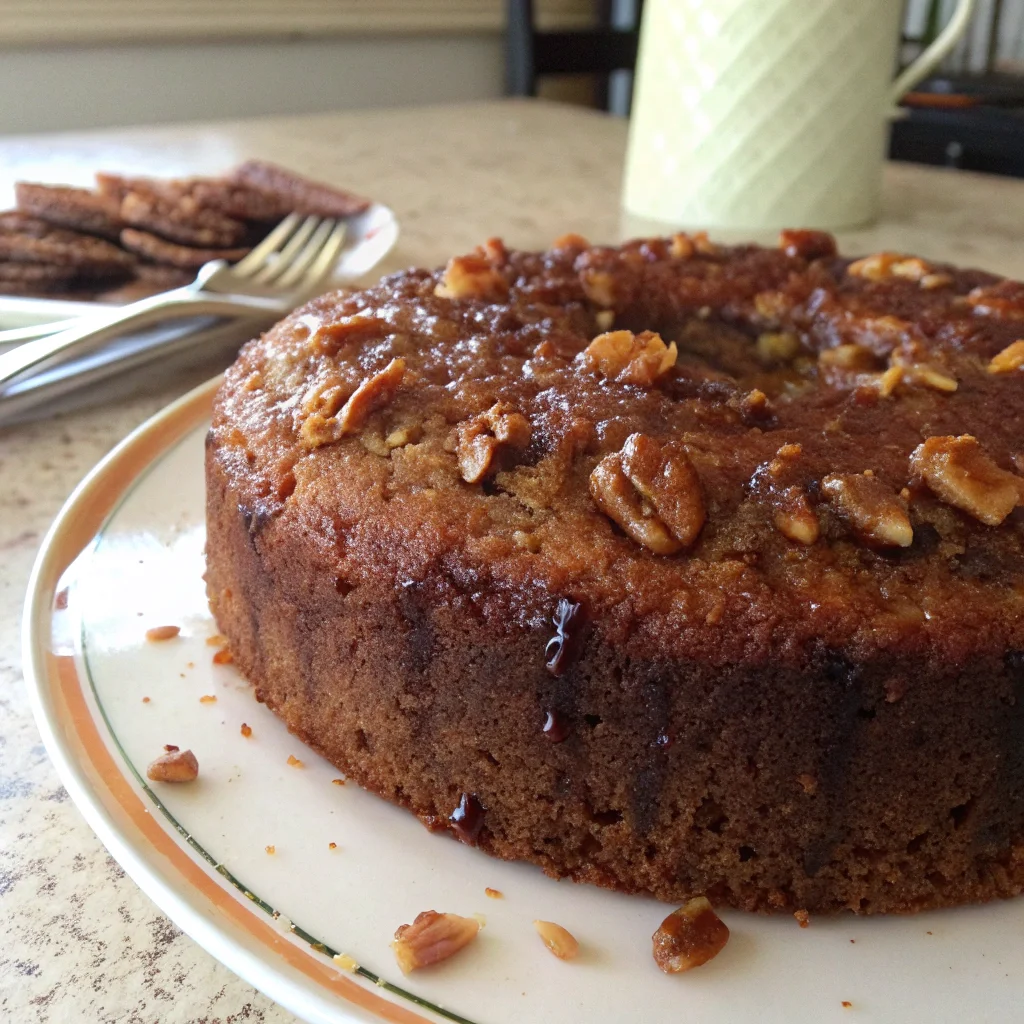
Ingredients
24
servings
- 1 cup fig preserve
- 2 cups flour
- 1/4 cup granulated sugar
- 1/4 cup Steen's syrup
- 1/4 cup brown sugar
- 1 cup oil
- 2 tsp baking powder
- 2 tsp cinnamon
- 1 cup pecans, walnuts or raisins
- 1 cup Pet milk (evaporated milk)
- 2 eggs
- 1 tsp vanilla extract
Step-by-Step Instructions
- In a large bowl, combine the figs, sugars, syrup, oil, eggs, vanilla and Pet milk.
- In a separate bowl, combine the flour, baking powder and cinnamon.
- Add the flour mixture gradually to the wet ingredients. Mix well. Add nuts or raisins.
- Pour into a greased and lightly floured 9x13 baking pan. Bake for 50 minutes in a 350 degree oven or until a toothpick inserted comes out clean.
Common Problems and Solutions
Q: Why is my cake too dense?
A: Make sure you're adding the flour mixture gradually and not overmixing - stir just until combined. Overmixing develops gluten and makes the cake tough.
Q: Can I use fresh figs instead of preserves?
A: Fig preserves are essential for this recipe as they provide both moisture and sweetness. Fresh figs won't give you the same texture or flavor.
Tips and Techniques
Grease and flour your pan well to ensure the cake releases cleanly. This cake is even better the next day after the flavors have had time to meld, making it perfect for make-ahead desserts.
Ingredient Substitutions
- Steen's syrup: dark corn syrup or molasses
- Pet milk (evaporated milk): whole milk or half-and-half
- pecans: walnuts or raisins (as noted in recipe)
Equipment Needed
- 9x13 inch baking pan
- Large mixing bowl
- Separate bowl for dry ingredients
- Whisk or electric mixer
Historical Context
Fig cakes have been a Louisiana tradition since the early Acadian settlers discovered that fig trees thrived in the humid climate. Preserving figs was a way to capture summer’s bounty for year-round baking.