





Classic Butter-Cream Cocoa Frosting
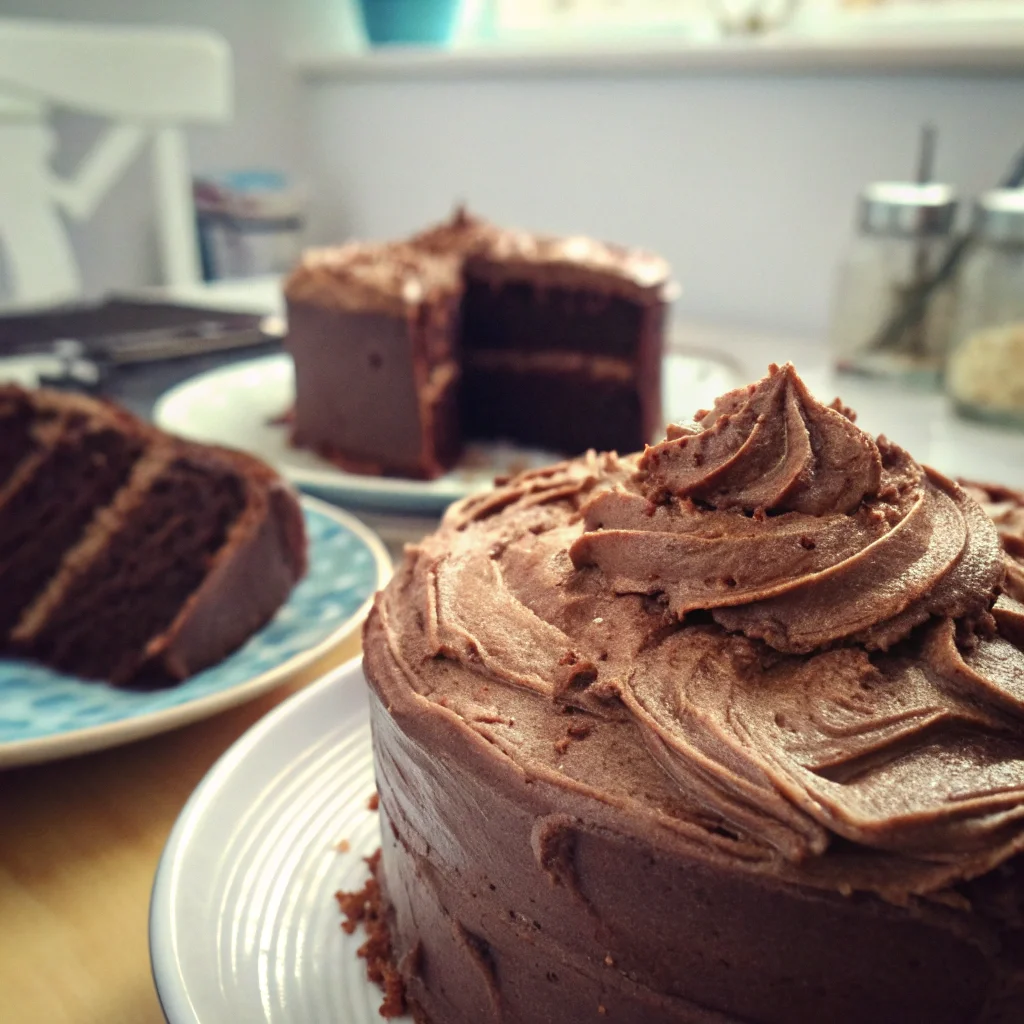
Ingredients
- 1 cup granulated sugar
- 1 cup water
- 1 pinch cream of tartar
- 2 egg whites
- 1/4 cup Hershey's Cocoa
- 1/2 tsp vanilla
Step-by-Step Instructions
- Dissolve the sugar in the water, and add the cream of tartar. Boil to the soft-ball stage (234-240°F, or when a small amount of mixture forms a soft ball when dropped into cold water).
- Beat egg whites until very stiff, then pour syrup in thin stream over them, beating all the time.
- Continue to beat until the frosting is cool and of right consistency to spread, about 10 minutes. Carefully fold in cocoa and vanilla.
Common Problems and Solutions
Q: Why did my frosting turn grainy?
A: The sugar syrup was likely cooked beyond soft-ball stage or the syrup wasn't poured slowly enough into the egg whites. Make sure to use a candy thermometer and pour in a very thin stream while beating constantly.
Q: My frosting is too runny to spread. What went wrong?
A: Either the syrup didn't reach soft-ball stage (234-240°F) or the frosting wasn't beaten long enough after adding the syrup. Keep beating until the mixture cools and holds its shape—this can take 10-15 minutes.
Q: Can I make this ahead of time?
A: This frosting is best used immediately while it's still at the right spreading consistency. It will firm up as it sits, making it difficult to work with.
Tips and Techniques
Use a candy thermometer for accuracy—soft-ball stage is 234-240°F. Have your egg whites already beaten to stiff peaks before the syrup is ready, as timing is crucial. Pour the hot syrup in a very thin stream while beating constantly to avoid cooking the eggs. The frosting will be quite soft at first but will firm up as it cools and is beaten.
Ingredient Substitutions
- Hershey's Cocoa: any unsweetened cocoa powder
- cream of tartar: 1/2 teaspoon lemon juice or white vinegar
Equipment Needed
- candy thermometer
- electric mixer or hand mixer
- heavy-bottomed saucepan
- glass of cold water (for testing soft-ball stage if not using thermometer)
Historical Context
Boiled frostings like this were extremely popular in early 20th century American baking before the widespread use of buttercream and commercial frostings. The technique creates a stable meringue-based frosting that’s lighter than buttercream.